In a compact store, the first three to five steps decide everything: pace, mood, and whether someone slows down to browse or keeps walking. A good threshold isn’t loud; it’s clear. Here’s a simple, repeatable way to reset that entry zone so it feels calm, premium, and unmistakably you.
What the threshold should do
Think of it as a decompression lane. Visitors have just left the exhibition, the street, or a queue. Your job is to lower the noise, offer one strong idea, and make the next choice obvious. If the entry is crowded with racks and shouty signs, people speed up. If it’s open, warm, and focused, they ease in.
Build one calm hero table
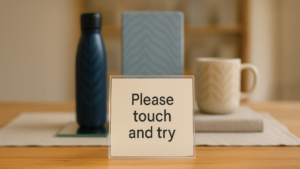
Place a single table within those first steps. Keep the footprint generous; space around the display is part of the welcome. Show one small story across three SKUs (for example: wrap-around bottle, A5 notebook, ceramic mug) in a single palette. Vary the heights (two risers are enough), so products are read at a glance. If you’re using patterns, choose loopable designs that feel continuous and premium in photos and in person.
Copy: one short line is plenty -“Fresh from the gallery” or “Inspired by our coastal path.” Visitors don’t want to read; they want to feel the offer.
Light it like a moment, not a showroom
Soft side light beats a blaze from above. If you have daylight, angle the table to catch it. Add one warm spotlight aimed low to create gentle shadows and a sense of depth. A small mirror tile under the hero product adds a controlled glint; avoid big mirror panels that bounce glare into eyes.
Tune the atmosphere
Keep volume at conversation level and the playlist mostly instrumental. If you use scent, keep it whisper-light and away from the POS. The temperature should feel neutral at the door, no cold blasts or hot spots. The aim is ease, not drama.
Clear the sightlines
From the entrance, guests should see:
-
the hero table,
-
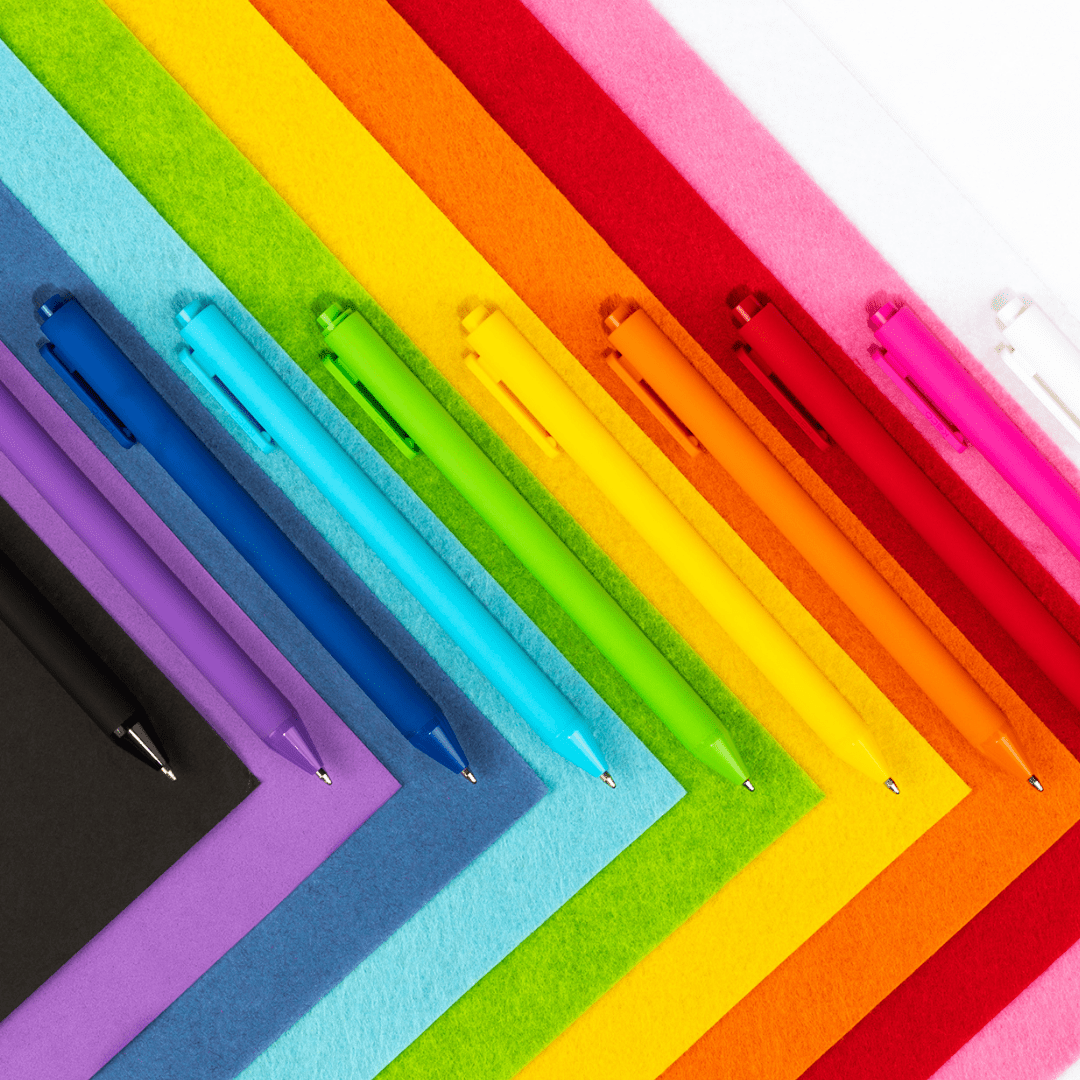
a power wall that hints at depth (repeating motif, tidy colour gradient), and
-
an obvious path to the right or left.
Remove anything that blocks knees-down visibility, tall bins, busy card racks, and spinning towers. The first seconds should read as open and curated.
Add a gentle nudge to explore
Just past the hero table, place a “next stop”: either the power wall (grouped by motif/colour) or a mid-floor island that pairs the hero item with an easy add-on. Keep pricing discreet but clear. A tiny sign, “Complete the set”, does the work without shouting.
Accessibility is part of the welcome
Leave at least 90 cm of clear path. Angle labels so they’re legible without stooping. Keep the hero product within easy reach, and avoid strong strobe-like reflections. If you run quiet hours, post them at the door.
A one-hour reset (use this on Monday mornings)
-
10 min – Clear & clean: Remove clutter, wipe surfaces, lint-roll textiles, polish ceramics and steel (no fingerprints).
-
15 min – Story edit: Choose one theme and three SKUs. Keep the palette to two colours plus an accent.
-
15 min – Restage: Two riser heights, hero at centre-front, tote or print providing vertical anchor.
-
10 min – Light & glint: Re-aim one warm spotlight; add a small mirror tile under the hero piece.
-
10 min – Copy & price: Print one line of copy and tidy price tabs. Snap a quick photo for reference.
Before/after, you can feel
Before: a crowded threshold with mixed signage, multiple offers, and no clear focal point. People hesitate, then hurry.
After: one calm table, warm light, a single story carried by three products. People slow, touch, and look up to see where to go next.
Where this pays off
You’re designing pace. A relaxed entry reduces decision fatigue, improves dwell time, and sets a premium tone without adding SKUs. Staff feel the difference too, fewer questions about “where to start,” more conversations about the story on the table.
Tiny checklist for the door
-
One story, three SKUs, one line of copy
-
Two riser heights; room to breathe around the table
-
Warm, glare-free light; a small mirror glint only
-
Clear sightline to the next stop
-
Calm audio, subtle scent, comfortable temperature
Small shops don’t need big welcomes. They need focused ones. Clear the space, set the tone, and let that first table invite people into the rest of the story.