Sustainability in museum and attraction retail has moved beyond “nice to have”. It now sits at the intersection of visitor expectations, procurement requirements, and brand trust. The challenge is that “eco” can quickly become a vague label, and vague labels don’t help customers (or compliance teams) make confident decisions.
The opportunity, though, is huge: the most effective sustainability strategies don’t just reduce impact, they create better ranges. More thoughtful products. Clearer stories. Less waste. Stronger sell-through.
Below is a practical framework you can apply to your 2026 merchandising plan, with examples from our Eco range (including recycled stationery, recycled-plastic pens, organic cotton apparel, and Fairtrade/organic cotton bags). Our Eco tag page also outlines the intent behind the range: responsibly sourced materials, low MOQs and fast delivery, designed for modern retailers and attractions.
Step 1: Move from “eco products” to a circular approach
A useful way to pressure-test a sustainability plan is to ask: are we making a few swaps, or are we designing a system that reduces waste over time?
In destination retail, “circular” often looks like:
- Reducing overproduction and leftover stock (through smarter forecasting, lower minimums, and on-demand options)
- Choosing materials and formats that are easier to reuse and recycle
- Removing unnecessary single-use packaging
- Designing products people keep because they’re useful, beautiful, and well-made
This is exactly why “sustainability” can’t sit only in product selection, it needs to be built into range planning.
Step 2: Get green claims right (and protect trust)
Sustainability messaging is under increasing scrutiny. The UK’s Green Claims Code (CMA guidance) sets out clear expectations: claims should be truthful and accurate, clear and unambiguous, not omit important information, make fair comparisons, consider the full lifecycle, and be substantiated.
In 2026, it’s also worth noting updated UK government guidance for businesses on environmental claims.
What this means in practice for retail ranges:
- Avoid broad statements like “eco-friendly” without context.
- Prefer specific, evidence-based product facts (e.g., recycled content %, certifications, material composition).
- Make sure your signage/online descriptions match what you can support.
You don’t need to overwhelm customers with detail, you just need to be precise.
Step 3: Build a greener range that customers actually want
Sustainable ranges perform best when they’re built around everyday usefulness + great design + a clear story.
Here are four “high-performing” product pillars we’re seeing across attractions:
1) Everyday essentials (high use = high value)
Reusable items earn their place because customers use them again and again. Bags, bottles, stationery, and apparel work particularly well because they’re functional beyond the visit.
2) Better materials, clearly stated
Sustainability isn’t one material, it’s about choosing improved options and being transparent about what they are.
Examples from our Eco products:
- Westbourne Mini Canvas Bag: made from Fairtrade & organic cotton, dyed using AZO-free dyes, and specified as 10oz / 280gsm cotton.
- Ladies Organic T-Shirt: made from 100% organic ringspun combed cotton (plus product construction details that support durability).
- Organic T-Shirt: stated as 100% organic cotton and “designed to last” with reinforced seams.
3) Recycled-content “story” products (great for gifting)
Customers love a simple transformation story: “this used to be X”.
Examples:
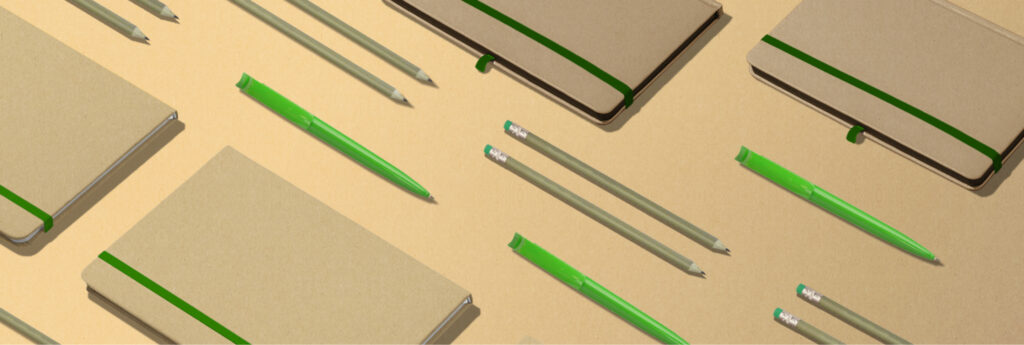
- Recycled Money Pencil: manufactured using 30% recycled banknotes and 70% recycled polystyrene.
- Recycled All Over Print Pencil With Eraser: made with 50% recycled materials in Europe and certified by the NF Environnement eco-label.
These are especially effective because the story is tangible and that makes the souvenir feel more meaningful.
4) Waste + packaging reduction (quietly powerful)
A lot of retail impact sits in packaging choices customers never asked for. Industry best practice is increasingly focused on reducing plastics and simplifying packing formats (especially in bulk shipping).
Museums are showing what’s possible. Manchester Museum, for example, set an objective to eliminate single-use plastics (particularly in children’s categories), alongside changes like moving away from cello wraps and they’ve demonstrated that a sustainability-led strategy can still be commercially strong.
Step 4: Reduce waste through how you produce, not just what you sell
One of the biggest hidden sustainability wins is reducing dead stock.
On our side, our approach includes:
- Low MOQs, supporting smarter buying and tighter seasonal edits
- The ability to print in bulk or on demand
- Options that can support dropship / on-demand fulfilment for certain digitally printed products, helping reduce the risk of over-ordering
The result is a more circular rhythm: test, learn, reorder, instead of overcommitting early and discounting later.
Where our Eco range fits
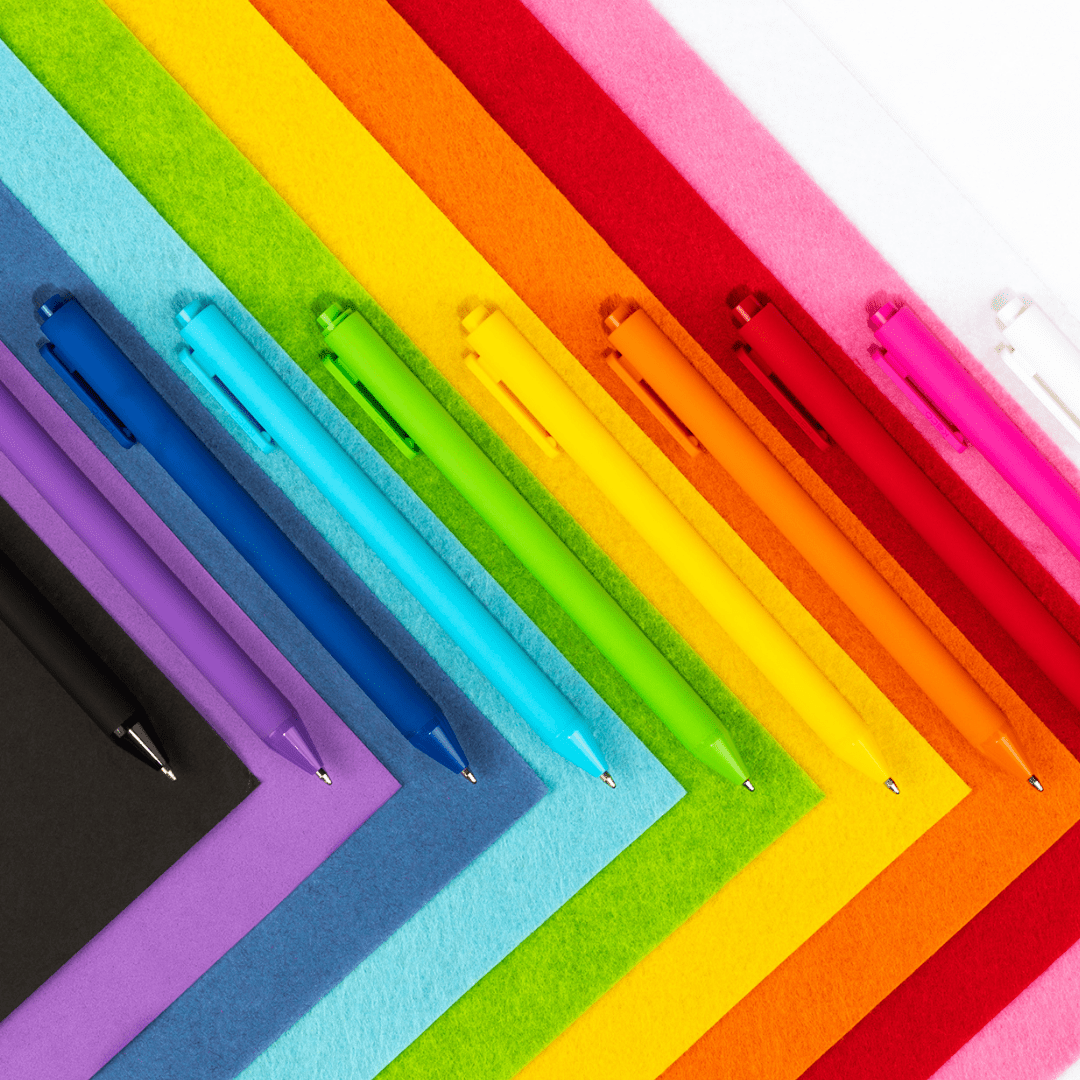
If you’re building your 2026 range now, our Eco products are designed to slot into the categories that typically perform best in destination retail, pens and pencils with strong recycled-content stories, organic cotton apparel customers will actually wear, and premium small bags that work as packaging and product.
If you’d like help shaping an eco edit that fits your brand, audience and price architecture, get in touch — we’ll happily recommend a tight, high-performing selection.